Cravings can confuse many people. You might wonder why you feel a strong urge to eat specific foods. Understanding cravings can help you respond effectively and maintain a balanced diet.
What Are Cravings?
Cravings are intense desires for certain foods. They can arise from physical needs, emotional states, or habits. Recognizing the type of craving you experience is essential. There are two primary types: physical cravings and emotional cravings.
Physical Cravings
Physical cravings arise from your body needing certain nutrients. For example, a craving for chocolate might indicate a need for magnesium. Listening to your body can guide you toward healthier choices.
Emotional Cravings
Emotional cravings often relate to mood or stress. You might crave sweets when you feel sad or overwhelmed. These cravings serve as comfort, but indulging in them can lead to guilt. Understanding this connection is vital for managing emotional eating.
The Role of Nutrition
Nutrition plays a significant role in cravings. A lack of essential nutrients can trigger specific cravings. For example, low iron levels might cause a desire for red meat or leafy greens. Eating a balanced diet can reduce these cravings.
Stay Hydrated
Dehydration can mimic hunger. Often, you might crave snacks when your body needs water. Drinking plenty of fluids throughout the day can help curb unnecessary cravings.
How Stress Affects Cravings
Stress can lead to heightened cravings, especially for sugary or fatty foods. When you are stressed, your body releases cortisol, which increases your appetite. Finding healthy stress-relief methods can help you manage these cravings more effectively.
Practice Mindfulness
Mindfulness can help you become aware of your cravings and their triggers. Take a moment to pause before reaching for food. Ask yourself if you are truly hungry or if another emotion drives your craving.
Strategies to Resist Cravings
Resisting cravings does not mean completely denying yourself certain foods. Implementing specific strategies can help you enjoy your favorite treats without overindulging.
Eat Balanced Meals
Eating balanced meals throughout the day can keep your blood sugar stable. Include protein, healthy fats, and complex carbohydrates in each meal. This approach can help reduce the intensity of cravings.
Healthy Substitutes
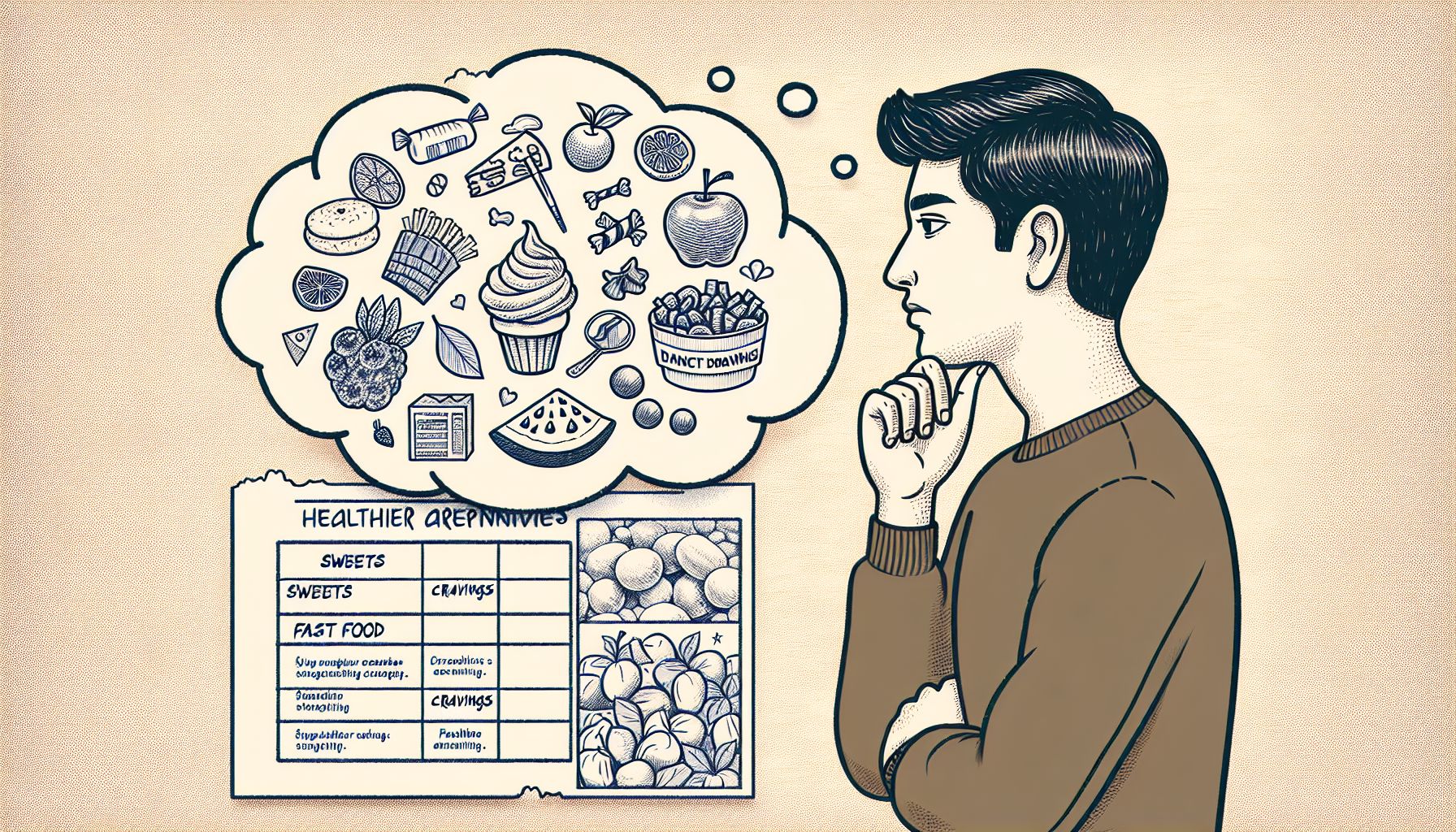
Finding healthy substitutes for your cravings can satisfy your desire without unhealthy consequences. For example, if you crave ice cream, try frozen yogurt or a smoothie made with fruits. If you need something crunchy, consider carrots or air-popped popcorn.
Understanding Your Body Signals
Listening to your body’s signals is crucial. When you crave something, ask yourself why. Is it hunger, boredom, or stress? Once you understand the reason, you can take appropriate action.
Keep a Food Journal
A food journal can help you track your cravings, meals, and emotions. Writing down what you eat and how you feel can reveal patterns. This insight can inform your choices moving forward.
The Importance of Moderation
Instead of completely eliminating your favorite foods, practice moderation. Allow yourself small portions occasionally. This method can help prevent feelings of deprivation that often lead to bingeing later.
Seeking Support
Sometimes, cravings can feel overwhelming. Seeking support from friends, family, or professionals can help. Joining a group focused on healthy eating can provide encouragement and resources. For example, visiting the Slimming World website can connect you with success stories and support networks.
Explore real-life stories about successful weight loss journeys at slimming world.
Conclusion
Understanding your cravings can help you respond effectively. Differentiate between physical and emotional cravings. Focus on balanced meals, healthy substitutions, and moderation. By listening to your body and practicing mindfulness, you can take control of your cravings. This approach leads to healthier eating habits and improved overall well-being.
For further insights into nutrition and cravings, consider checking out these resources: Healthline, Mayo Clinic, and WebMD.
By implementing these strategies, you can enjoy your food while maintaining a healthy lifestyle.